Twenty years of transforming lives, building communities, and driving sustainable rural development across India — one village at a time.
MITRA Foundation — the Mission of Integrated Training on Rural and Agriculture Development — is a Section 8, not-for-profit organisation registered under the Companies Act, 2013. Founded in 2005 by a group of development practitioners, social workers, and agricultural scientists, MITRA was born from a shared conviction that rural communities hold the knowledge and strength to transform their own futures when given the right support.
Over two decades, MITRA has grown from a single-district initiative in Maharashtra into a pan-India organisation with a presence in 18 states, 128 districts, 640 blocks, and 6,500+ villages. We are driven by an unwavering belief in community-led, participatory development that is inclusive, equitable, and sustainable.
MITRA works at the intersection of agriculture, livelihoods, gender equity, water security, education, and financial inclusion — creating integrated interventions that address the root causes of rural poverty.
From a small grassroots initiative to a pan-India institution — the MITRA story is one of commitment, courage, and community.
MITRA Foundation was established in Pune, Maharashtra by a group of 12 passionate development professionals who had worked with government programs and international NGOs for decades. Inspired by the unfinished agenda of rural development, they pooled their expertise to create a responsive, community-driven alternative. The first program was a pilot Agriculture Extension project in Osmanabad district, reaching 1,200 smallholder farmers in its inaugural year.
A landmark grant from NABARD in 2008 enabled MITRA to expand its watershed programs across the Marathwada region. The introduction of the Self Help Group (SHG) federation model in 2010 catalysed a dramatic scale-up in women empowerment. By 2013, MITRA had a presence in 5 states and was partnering with the National Rural Livelihoods Mission (NRLM) as an implementation support agency.
The passage of the CSR mandate under the Companies Act 2013 opened transformative partnerships with India's leading corporates. MITRA expanded into Jharkhand, Rajasthan, Gujarat, Odisha, and Uttar Pradesh. International collaborations with GIZ, UNICEF, and the World Bank further strengthened our technical capacity and geographic reach, bringing MITRA to 12 states by 2019.
Amid the COVID-19 pandemic, MITRA rapidly pivoted to deliver food security support, digital banking assistance, and mental health resources to over 500,000 vulnerable households. The post-pandemic era has seen MITRA embrace digital tools — mobile extension services, AI-based crop advisory, and e-commerce platforms for SHG products — to deepen and sustain its impact in 18 states.
"MITRA Foundation envisions a just, inclusive and sustainable society where individuals and communities—especially those facing social and economic vulnerabilities—are empowered with knowledge, opportunities and resources to lead dignified, self-reliant and prosperous lives."
"To empower vulnerable women, marginal and small farmers, persons with disabilities and underserved communities through skills development, access to finance, sustainable livelihoods, entrepreneurship and capacity building, enabling them to become self-reliant, resilient and active participants in building inclusive, sustainable and peaceful communities."
What sets MITRA apart is not just what we do, but how we do it — with integrity, community ownership, and measurable impact.
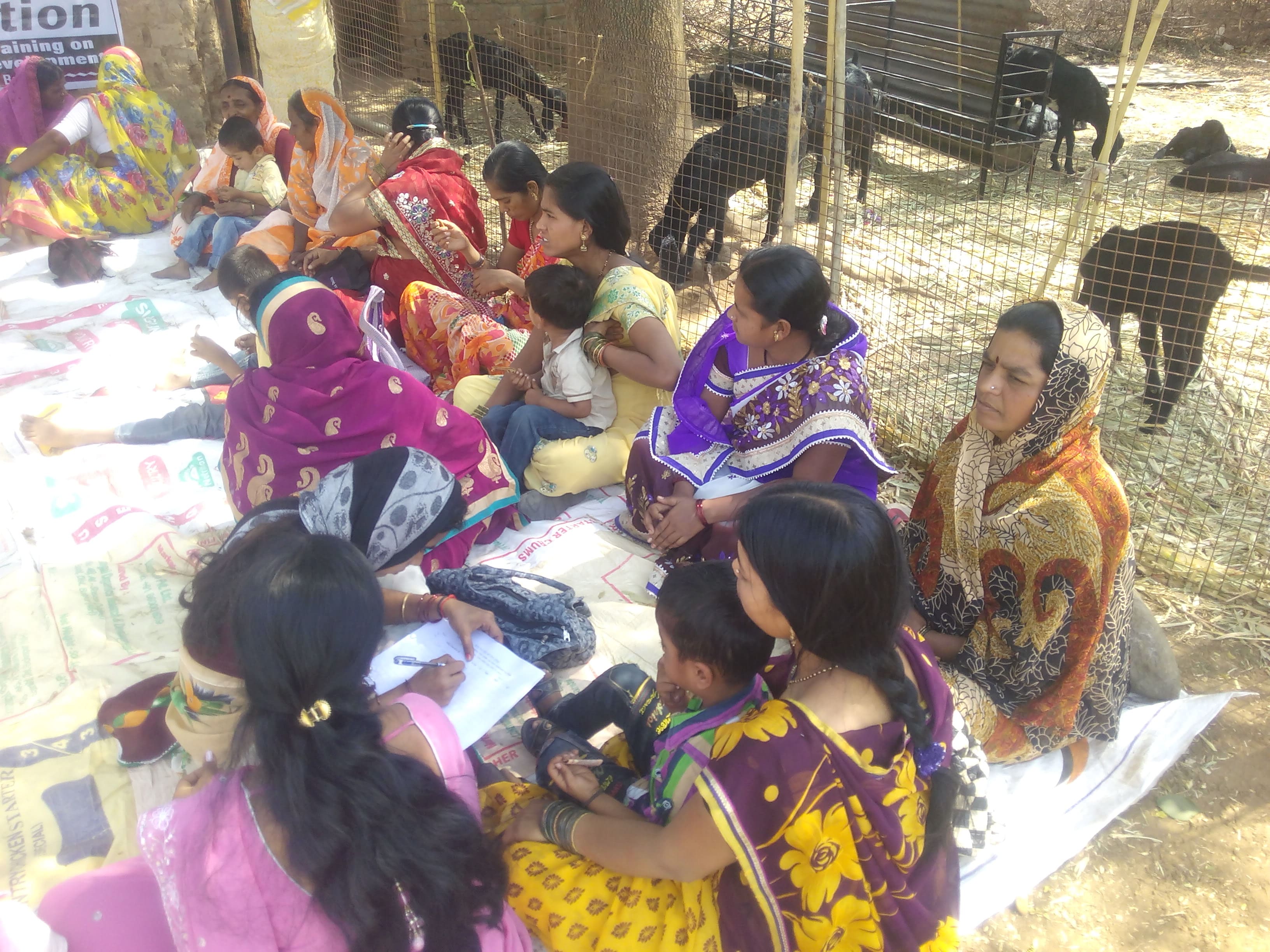
Every MITRA program is designed with, not for, communities. Village-level institutions — SHGs, FPOs, and water committees — own and govern the programs, ensuring sustainability long after the project ends.
We invest heavily in monitoring and evaluation — with real-time MIS, third-party impact assessments, and longitudinal studies — to ensure every rupee invested achieves its maximum social return.
MITRA deeply integrates with government schemes — PMKVY, PMFBY, PM-KISAN, NRLM, JJBY, MGNREGS — maximising impact by accessing all entitlements for beneficiaries and leveraging public resources.
Gender equity is not a standalone program for MITRA — it is the foundation of all our work. Women are mobilised as agents of change in every sector, from agriculture to water governance to financial decision-making.
From AI crop advisory apps to digital SHG passbooks and geo-tagged MIS systems, MITRA uses technology to improve the quality, scale, and accountability of our programs in even the most remote geographies.
MITRA maintains the highest standards of financial transparency, with annual Chartered Accountant audits, publicly available annual reports, and compliance with all statutory requirements including FCRA, FEMA, and Companies Act 2013.
These six values are not just principles — they are living commitments that define every decision, every program, and every relationship at MITRA.
We approach every community with deep empathy, listening before acting, and treating every beneficiary with dignity, respect, and genuine care.
We are accountable to our beneficiaries, partners, and the public — operating with full transparency, ethical conduct, and zero tolerance for corruption.
Communities are not beneficiaries — they are partners, decision-makers, and leaders. We co-design, co-implement, and co-evaluate all programs.
We continuously learn, adapt, and experiment — embracing technology, evidence-based approaches, and creative problem-solving to improve our programs.
Our interventions are designed for permanence — building local institutions, capacities, and resources that continue to generate impact for generations to come.
We prioritise the most marginalised — women, tribals, Dalits, persons with disabilities — and actively work to dismantle structural barriers to their development.
MITRA Foundation's programmatic work is governed by six strategic objectives that collectively address the multi-dimensional nature of rural poverty and align with India's national development goals and the UN Sustainable Development Goals (SDGs).
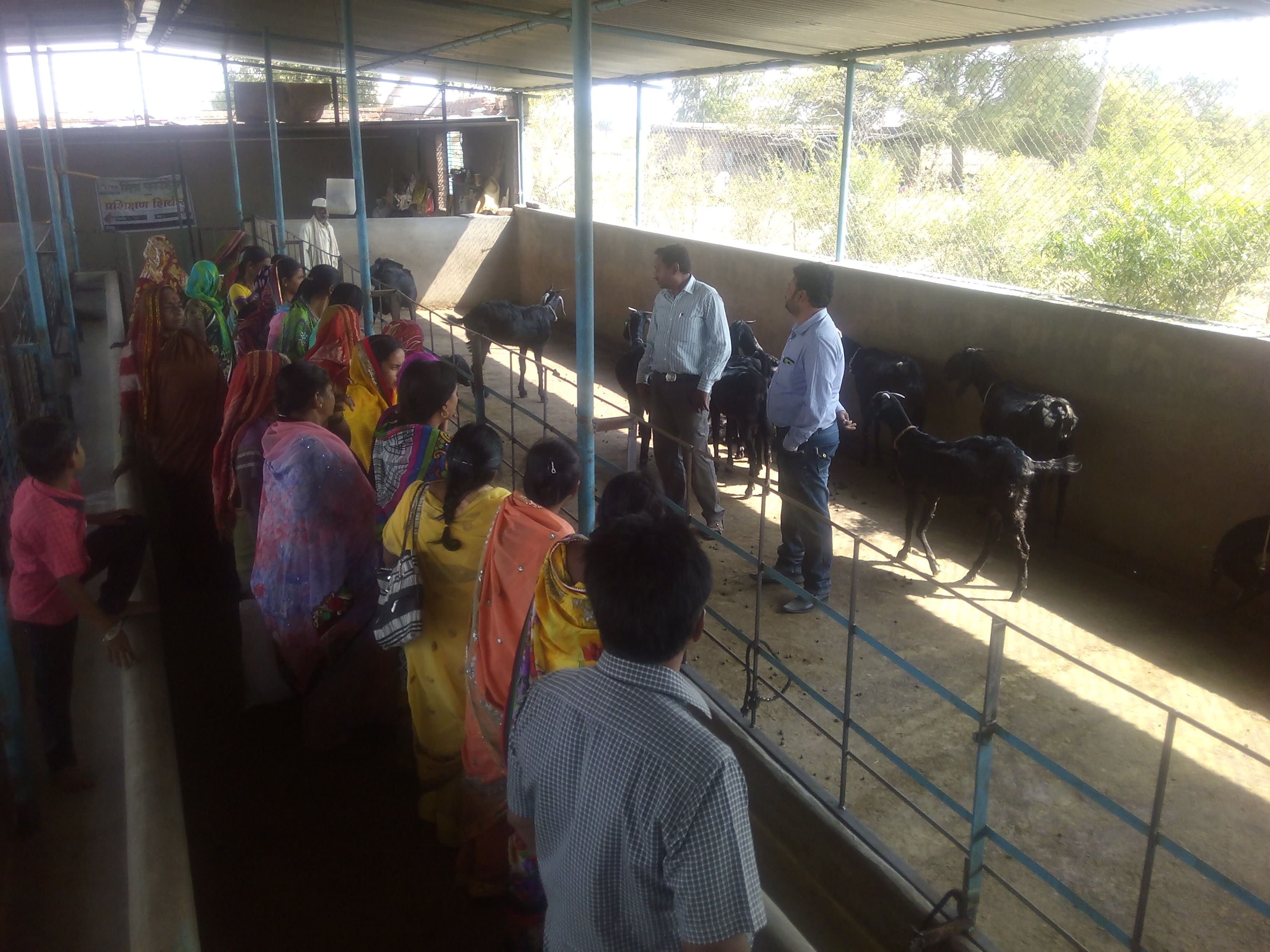
Improve farm productivity, diversify income sources, and strengthen market linkages for 500,000 smallholder farming households through FPOs, technology, and climate-smart practices by 2030.
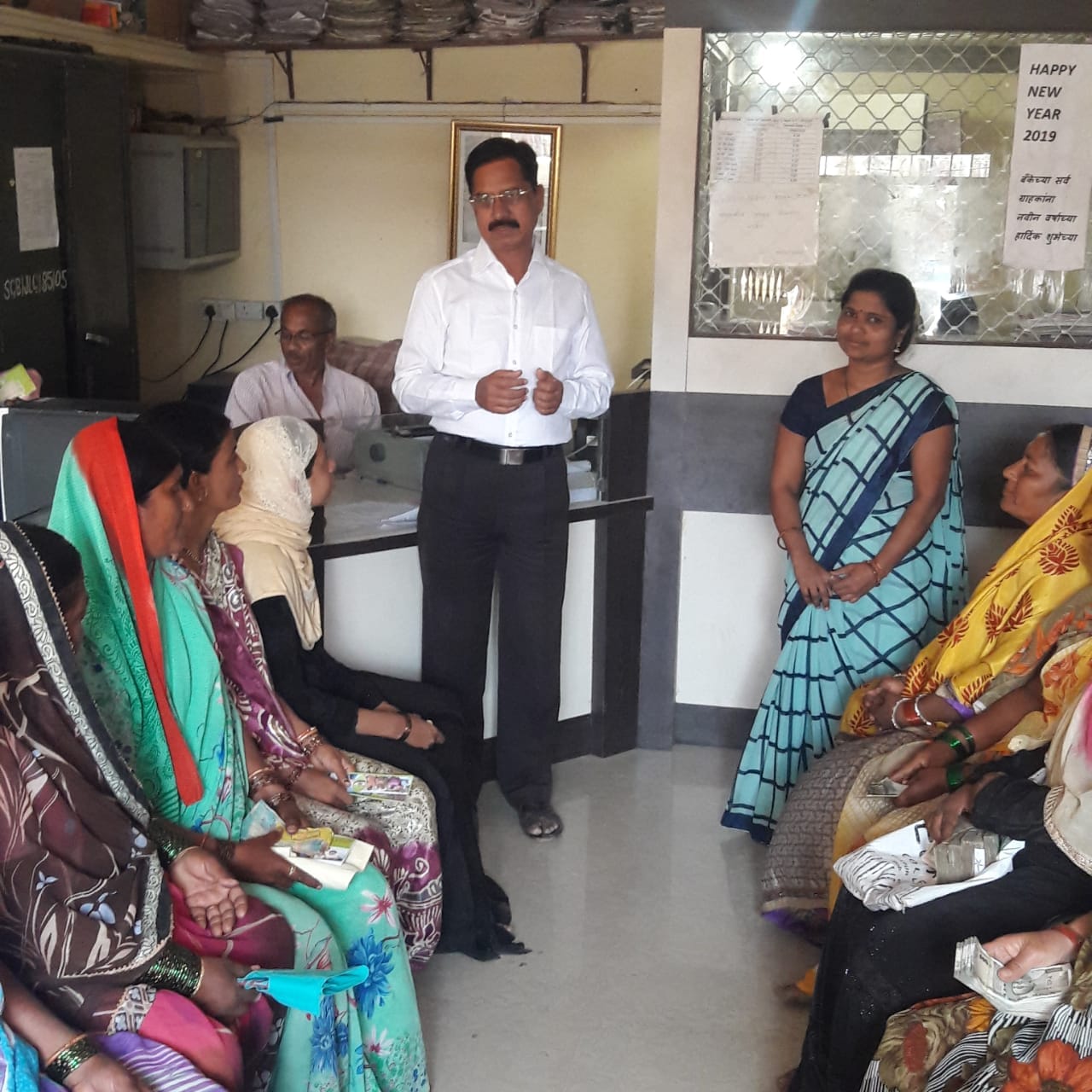
Mobilise and strengthen 75,000 Self-Help Groups, enabling 1 million women to access financial services, enterprise opportunities, and leadership roles in community governance.
Implement watershed management, WASH, and irrigation programs in 5,000 water-stressed villages, ensuring year-round water availability for agriculture and domestic use.
Provide market-linked vocational training to 200,000 rural youth, achieving ≥70% placement rate and creating a pipeline of skilled workers for industry and entrepreneurship.
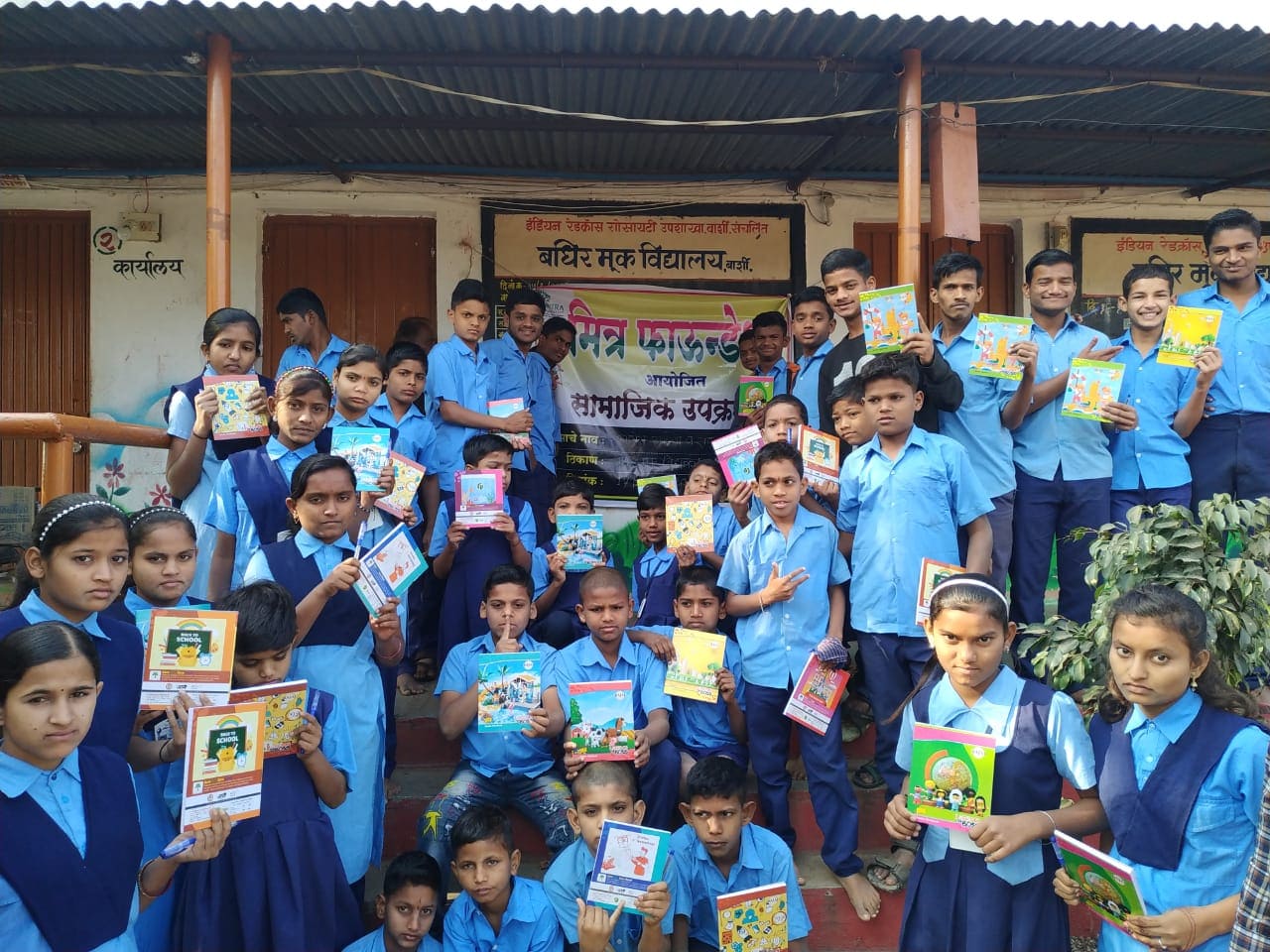
Ensure continuous learning pathways for 150,000 children and youth through remedial education, scholarships, digital literacy, and bridge school programs in low-literacy geographies.
Connect 1 million households to formal financial services, government welfare schemes, and insurance products to build economic resilience against shocks and vulnerabilities.
MITRA Foundation maintains full statutory compliance with all relevant Indian laws and regulations, ensuring complete transparency and accountability.
All registration numbers shown are illustrative. Official documents available upon request for verified CSR / funding partners.
MITRA Foundation incorporated as a Section 8 company in Pune, Maharashtra. First agriculture extension pilot reaches 1,200 farmers in Osmanabad district.
Women Self Help Group mobilisation begins across 3 districts. First batch of 500 SHGs formed; Rs 2 crore credit linked to rural women for the first time.
Landmark Rs 12 crore grant from NABARD to implement watershed development across Marathwada. First 50 check dams constructed; groundwater levels rise in 120 villages.
Selected as State Rural Livelihoods Mission partner in Maharashtra. MITRA manages SHG federations for 3 districts; 10,000 SHGs linked to bank credit under NRLM.
Companies Act 2013 CSR mandate opens opportunities with top Indian corporates. MITRA registered as CSR Implementation Agency; first partnerships with Tata Trusts and HDFC Bank Parivartan.
Partnership signed with GIZ (Germany), UNICEF India, and World Bank for integrated rural development programs. Operations expand to 10 states including Jharkhand, Rajasthan, and Gujarat.
50 Farmer Producer Organisations established across 8 states. MITRA launches its first mobile crop advisory app reaching 80,000 farmers. Rs 200 crore+ collective agri-sales achieved through FPO channels.
MITRA pivots rapidly to COVID relief — providing food kits to 500,000 vulnerable families, facilitating digital banking for 200,000 women, and running mental health helplines across 8 states.
MITRA celebrates its 20th anniversary with operations in 18 states, 128 districts, 6,500+ villages. National CSR Award 2025 conferred by Ministry of Corporate Affairs. 2 million beneficiaries and counting.