Agriculture
Agriculture in drought-prone areas is highly unpredictable. Allied activities like dairy, goat farming, and poultry offer a crucial safety net for farmers when crops fail.
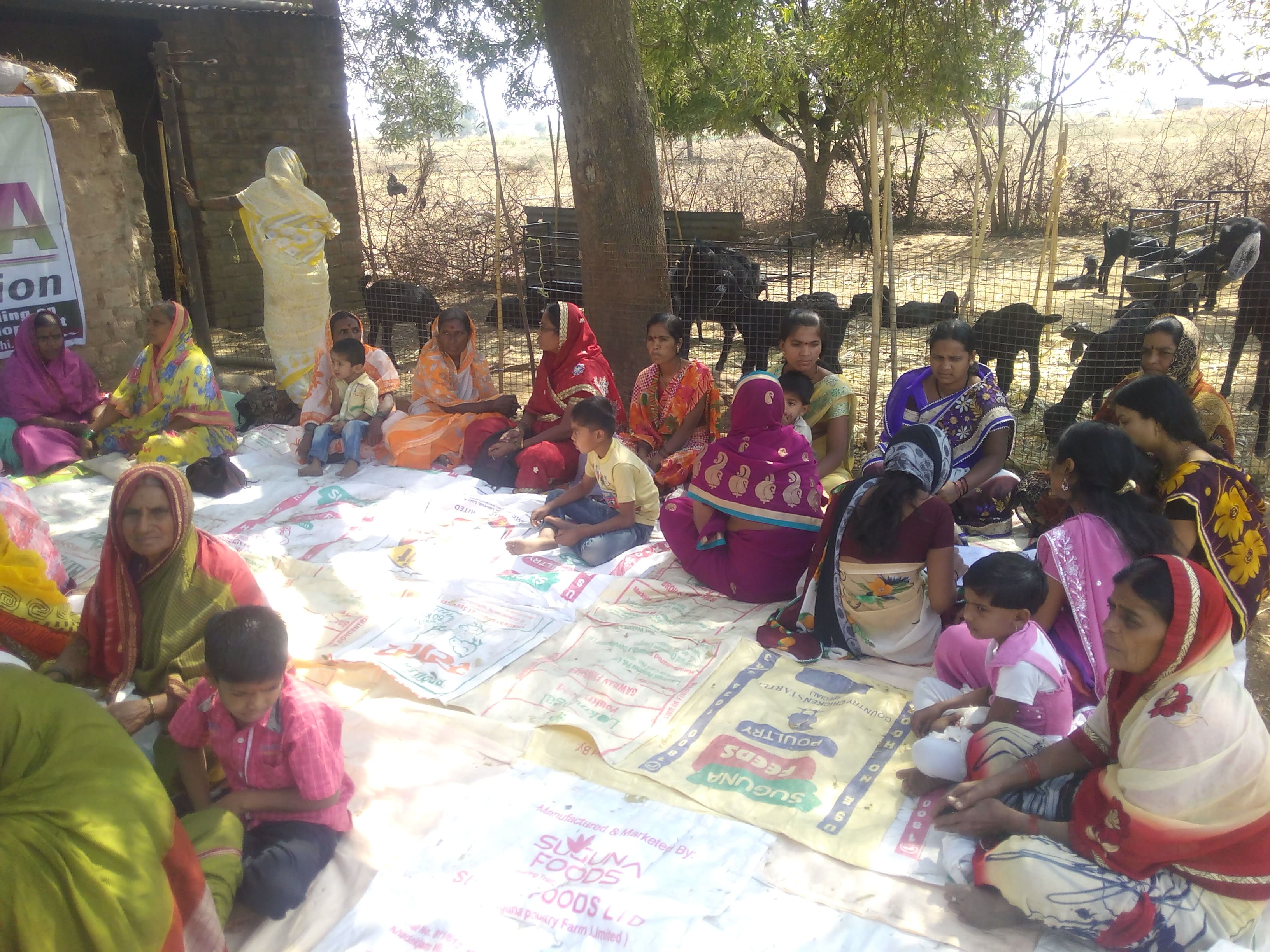
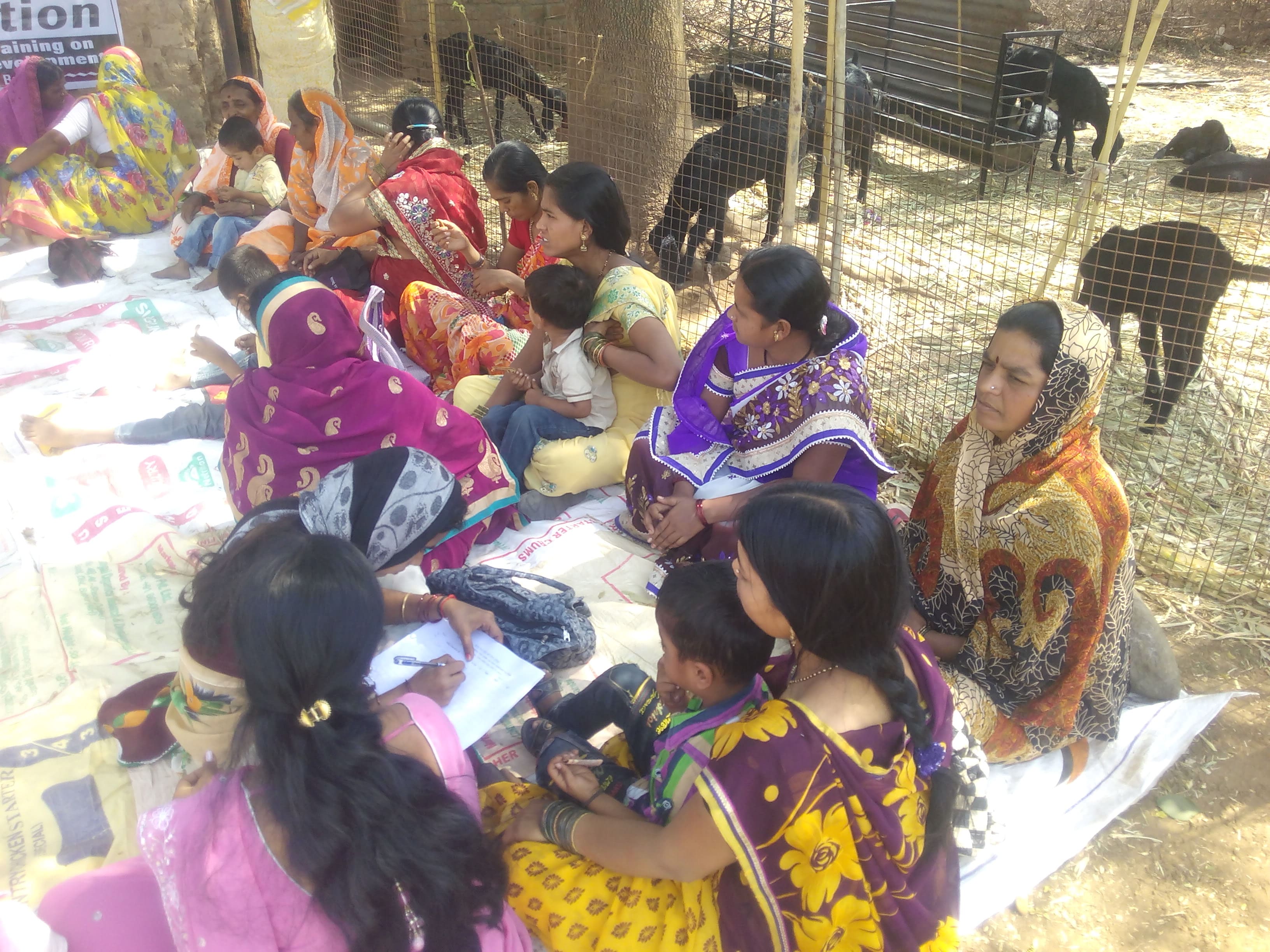
Lack of capital to purchase high-yield livestock and poor knowledge of modern veterinary practices resulted in high mortality rates and low yield for rural farmers.
Small and marginal farmers, particularly women.
Intervention: Credit facilitation for asset creation (livestock) paired with rigorous technical training.
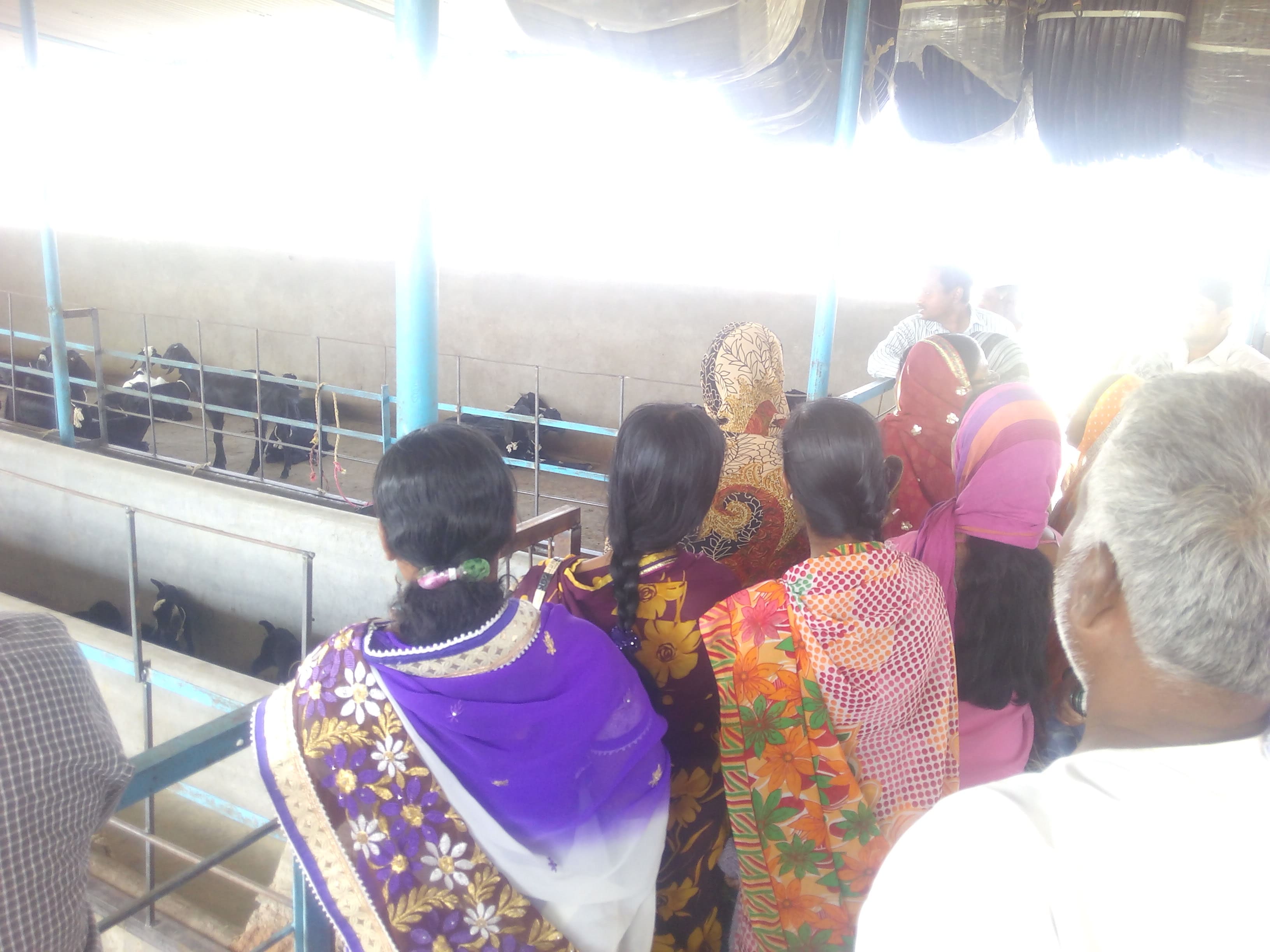
Approach: An integrated value-chain approach covering procurement, veterinary care, insurance, and market linkage.
Outputs: Hundreds of farmers trained in scientific goat farming and dairy management.
Outcomes: Creation of tangible household assets and guaranteed daily/weekly cash flow through milk and meat sales.
Significantly reduced distress migration during drought seasons by ensuring year-round allied livelihood income.
"With the loan from my Vaishnavi JLG, I purchased a cow. Now, the daily milk sale covers my children's education and household expenses without relying solely on the rain." — Suvarna Prabhar Raut, Dahitane
Learnings: Insurance and immediate veterinary access are as critical as the initial capital for livestock.
Sustainability: By linking farmers to established dairy cooperatives, the revenue model becomes permanent and market-driven.